
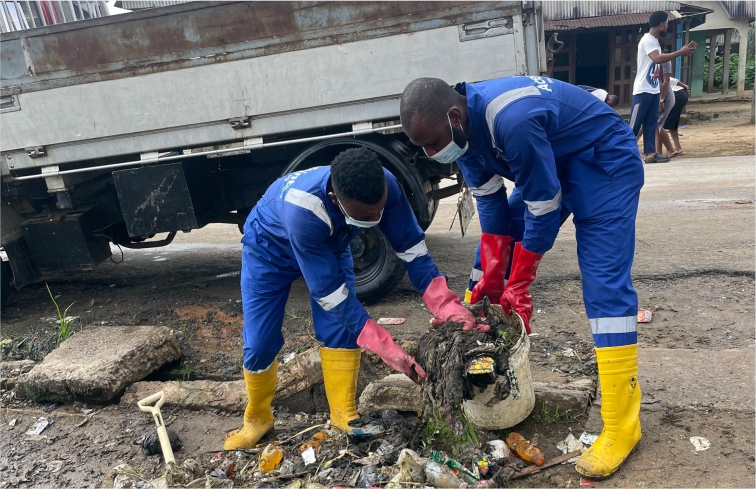
In an era of increasing urbanization, environmental pollution, and public health concerns, the role of environmental cleaning has never been more critical. More than just a civic duty, environmental cleaning is a strategic health and safety measure that directly impacts the well-being of communities. From fumigation to drainage clearing, these services form the foundation of clean, livable cities and towns.
This article explores how environmental cleaning contributes to healthier environments, why it should be a priority for public and private sectors alike, and what actions can be taken to promote sustainable and effective environmental hygiene.
What Is Environmental Cleaning?
Environmental cleaning refers to large-scale cleaning activities carried out in outdoor or semi-public spaces to maintain environmental hygiene, prevent disease, and support a healthy ecosystem. It includes:
- Fumigation and pest control
- Drainage and gutter cleaning
- Field and lot clearing
- Community sanitation programs
- Waste collection and disposal
These services aim to eliminate health hazards in the environment and improve the quality of life for individuals and entire communities.
Why Environmental Cleaning Matters
1. Disease Prevention
Mosquitoes breed in stagnant water, rodents thrive in unkempt fields, and bacteria multiply in clogged drains. These environmental hazards are leading contributors to outbreaks of diseases like:
- Malaria
- Typhoid fever
- Cholera
- Lassa fever
- Respiratory infections
Regular environmental cleaning helps eliminate the breeding grounds of these vectors, reducing the risk of disease transmission and preventing epidemics.
2. Public Health and Safety
Poor sanitation and dirty surroundings contribute to accidents, injuries, and chronic health issues. For example:
- Blocked drains can cause flooding and erosion
- Overgrown fields can hide dangerous objects or animals
- Improper waste disposal attracts pests and emits toxic fumes
Environmental cleaning removes these risks, creating safer neighborhoods, markets, schools, and workplaces.
3. Aesthetic and Psychological Benefits
Clean environments promote peace of mind. People feel safer, more relaxed, and proud of their surroundings when they live in clean, organized neighborhoods. Cleaner areas also tend to experience lower crime rates and greater community involvement.
Key Areas of Environmental Cleaning and Their Impact
1. Fumigation and Pest Control
Pests like mosquitoes, cockroaches, and rodents carry a variety of pathogens. Fumigation and disinfection services help:
- Eradicate infestations in public spaces, schools, and offices
- Control the spread of vector-borne diseases
- Create a more comfortable and hygienic living environment
These services are essential before and after public events, during disease outbreaks, and as part of regular environmental health maintenance.
2. Field and Lot Clearing
Abandoned lots, overgrown fields, and bushy areas are not just eyesores—they’re serious health and safety threats. They often become:
- Hiding spots for criminals
- Breeding grounds for snakes and rodents
- Dumping sites for refuse
Clearing these areas improves visibility, reduces crime, and prevents the spread of diseases linked to pests and unsanitary waste disposal.
3. Drainage and Gutter Cleaning
Blocked drainage systems are a major cause of flooding in many cities, especially during the rainy season. They can also lead to:
- Mosquito breeding
- Offensive odors
- Water contamination
- Property damage
Routine drainage and gutter cleaning prevents these issues and supports effective waste and water management. It also protects public infrastructure and minimizes disruption to transportation and business.
4. Community Sanitation Drives
Community-wide cleaning programs help mobilize residents, raise awareness, and build a culture of cleanliness. These initiatives often involve:
- Street sweeping and roadside cleanup
- Clearing market areas
- Educational campaigns on waste management
- Distribution of sanitation kits
When people actively participate in keeping their environment clean, they take more ownership and pride in their communities.
Environmental Cleaning and Sustainable Development
Environmental hygiene directly contributes to several Sustainable Development Goals (SDGs), including:
- SDG 3: Good Health and Well-being
Clean environments reduce disease spread and enhance general public health. - SDG 6: Clean Water and Sanitation
Proper waste and drainage management prevents water pollution. - SDG 11: Sustainable Cities and Communities
Environmental cleaning makes urban spaces safer, more resilient, and inclusive.
Challenges in Environmental Cleaning
Despite its importance, environmental cleaning faces challenges such as:
- Inadequate funding or government support
- Poor waste management infrastructure
- Low public awareness or participation
- Improper disposal practices
- Shortage of trained personnel and equipment
Addressing these challenges requires collaboration between governments, private cleaning agencies, and community stakeholders.
The Role of Professional Cleaning Services
Professional environmental cleaning companies bring structure and expertise to sanitation efforts. Their services go beyond surface-level cleanup to include:
- Risk assessments and cleaning strategy development
- Use of eco-friendly products and safe disposal techniques
- Compliance with local environmental laws
- Trained staff with protective gear and specialized equipment
- Emergency response for sanitation crises
Engaging professional services ensures consistency, effectiveness, and safety in environmental cleaning operations.
How Communities Can Support Environmental Hygiene
- Avoid indiscriminate dumping in gutters and open fields
- Participate in clean-up exercises organized by local councils or NGOs
- Report clogged drains or infested areas to relevant authorities
- Educate others about the importance of clean surroundings
- Support recycling initiatives and sustainable waste practices
Environmental hygiene is a shared responsibility. The cleaner a community, the healthier and more prosperous it becomes.
Conclusion: Clean Environments, Healthy Communities
Environmental cleaning is not a luxury—it’s a necessity for modern living. It protects public health, supports infrastructure, and improves the overall quality of life. Whether it’s fumigation, drainage clearing, or organized sanitation drives, every effort counts toward building cleaner, safer, and more livable communities.
As we look toward a greener tomorrow, governments, businesses, and individuals must recognize the power of environmental hygiene and act accordingly. Because where cleanliness thrives, health, growth, and harmony follow.