
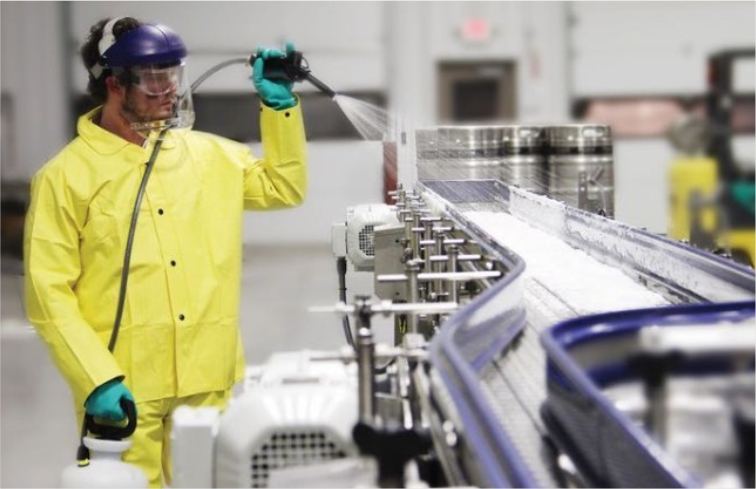
When people think about cleaning, they often imagine household chores or office tidying. But industrial cleaning is an entirely different world one that demands specialized skills, heavy-duty equipment, and strict adherence to safety and hygiene standards.
From manufacturing plants to power stations, industrial facilities face unique cleaning challenges that can’t be addressed with mops and buckets.
In this article, we break down what industrial cleaning really involves, why it’s so critical, and how professional cleaning companies make it all happen behind the scenes.
What Is Industrial Cleaning?
Industrial cleaning refers to the deep and detailed cleaning of warehouses, factories, plants, and other large-scale facilities. Unlike residential or commercial cleaning, it deals with:
- Large machinery and equipment
- Hazardous materials
- Tough industrial stains and waste
- Strict safety and sanitation standards
Industrial cleaning is not just about keeping things neat—it’s a key component in ensuring operational efficiency, safety compliance, and environmental responsibility.
Why Is Industrial Cleaning So Important?
1. Safety of Workers
Industrial environments are often filled with hazards: slippery floors, chemical spills, metal shavings, or combustible dust. Without proper cleaning, these risks increase dramatically. Regular cleaning reduces workplace accidents and helps meet health and safety regulations.
2. Equipment Longevity
Dust, debris, and contaminants can damage machinery over time. Accumulated grime can lead to overheating, corrosion, or even complete system failure. Routine professional cleaning helps protect expensive equipment and extends its operational life.
3. Compliance with Regulations
Industries are governed by strict local and international safety, health, and environmental standards. Regular industrial cleaning ensures facilities comply with regulations from bodies like OSHA, ISO, and NAFDAC (in Nigeria), avoiding fines or shutdowns.
4. Operational Efficiency
A clean workspace enables smoother production lines, fewer breakdowns, and fewer delays. Employees work more efficiently in a safe and organized environment.
Key Areas That Require Industrial Cleaning
- Production floors: Frequent cleaning prevents grease, metal shavings, dust, and debris from becoming safety or operational hazards.
- Storage tanks and silos: These require specialized equipment and confined space cleaning procedures.
- Conveyor belts and assembly lines: These need to be cleaned with precision to avoid disrupting workflow or damaging parts.
- Ventilation and exhaust systems: Dust and fumes can accumulate here, affecting air quality and fire safety.
- High ceilings and overheads: These are often ignored but collect dust, spider webs, and debris that can fall and contaminate clean areas.
What Makes Industrial Cleaning Challenging?
1. Specialized Equipment
Industrial cleaning goes far beyond brooms and mops. It often involves:
- High-powered pressure washers
- Industrial vacuums with HEPA filters
- Steam cleaners and foamers
- Chemical scrubbers
- Aerial lifts and scaffolding for high areas
2. Hazardous Materials
Many industrial sites deal with chemicals, biohazards, flammable substances, and toxic waste. Cleaning such materials requires trained professionals with protective gear and proper disposal methods.
3. Complex Layouts
Factories and plants often have complex layouts, with hard-to-reach areas behind or underneath machinery. Navigating and cleaning these areas safely requires experience and planning.
4. Non-Stop Operations
In many industries, operations run 24/7. Cleaning professionals must schedule work around production times or during short windows, often at night or during holidays, without disrupting business.
What Professionals Bring to the Table
1. Trained Technicians
Professionals undergo training in handling industrial equipment, working at heights, confined space entry, chemical handling, and safety procedures.
2. Compliance Knowledge
Industrial cleaning experts understand and follow regulatory requirements. They help facilities stay audit-ready and legally compliant.
3. Custom Cleaning Plans
No two factories are the same. Professional cleaners assess each site’s layout, machinery, and operations to create a custom cleaning schedule and checklist that meets both hygiene and safety goals.
4. Risk Management
Professionals are insured, licensed, and trained to manage risks. They work to minimize downtime, prevent damage to assets, and ensure zero accidents during cleaning operations.
Typical Industrial Cleaning Services Include:
- Degreasing floors and walls
- Cleaning and sanitizing machinery
- High-level dusting and ceiling cleaning
- Confined space cleaning
- Chemical spill cleanup
- Post-construction and shutdown cleaning
- Oil and fluid containment cleaning
- Tank and silo cleaning
- Waste removal and disposal
Eco-Friendly and Safe Practices
Modern industrial cleaning companies are moving toward environmentally responsible solutions. This includes:
- Use of biodegradable degreasers and cleaning agents
- Proper disposal of hazardous waste
- Water-saving cleaning methods
- Dust containment and filtration systems
These practices not only protect the environment but also create a safer workplace for employees.
Choosing the Right Industrial Cleaning Partner
If you’re a plant manager, warehouse owner, or facility supervisor, choosing the right cleaning service can be a game-changer. Here are a few tips:
- Check their certifications (e.g., ISO, OSHA)
- Request references from similar industries
- Ask about their equipment and safety protocols
- Ensure they offer 24/7 or flexible scheduling
- Confirm they’re insured and bonded
Conclusion: Cleanliness Is Key to Industrial Excellence
Industrial cleaning may happen behind the scenes, but its impact is front and center. It keeps employees safe, machinery running, and production lines moving smoothly. While it’s complex and challenging, it’s a necessary investment that pays for itself in performance, compliance, and reputation.
Professional cleaning services take the burden off your shoulders and ensure your facility operates at its best. In industries where downtime is costly and safety is non-negotiable, industrial cleaning is not a luxury—it’s a necessity.